

Unsafe working conditions
Chemical hazards
Thousands of chemicals are used in the materials and component manufacturing and assembling of electronics products. In mines, chemicals are used in both the extraction and processing of minerals.
Many of these chemicals are toxic to human health and should not be used or should only be used with extensive industrial hygiene measures to protect workers and the environment. Unfortunately, such measures are sometimes lacking. Workers and miners are often exposed to toxic substances and their vapours causing skin irritations, illness and even death.
It can be difficult to get information about which chemicals are being used, as employers often do not share it. Even though there may be laws about informing workers of the chemicals being used, in the language they understand, and to display this in the workplace, workers are not always informed of the exact names.
Ergonomic hazards
In electronics manufacturing and mining, repetitive movements and awkward posture that puts strain on the body lead to repetitive strain injuries for workers. Where workers do not alternate regularly between roles, physical damage to specific parts of the body can accumulate. Lifting heavy loads can cause back injuries in both manufacturing and mining.
In mines, hammering and drilling both require repetitive motions that accumulate physical damage. The vibration from pneumatic tools like drills can exacerbate damage.
Excessive working hours
Excessive working hours are common in both production and mining, and can lead to chronic diseases. Standing for long shifts of up to 12 hours and exacerbates the harm of repetitive strain injuries. Working excessive hours leads to psychological and physical strain, which both raise the risk of accidents especially when operating heavy machinery.
Overcrowded and unsanitary dormitories
Many electronics production workers, especially migrant workers, live in hostels and dormitories provided by their employer. They are often crowded with insufficient ventilation, increasing the risk of infectious diseases spreading.
Noise
Instruments and machinery used in mines or in factories can cause dangerous levels of noise (above 85 decibels) which damages workers' hearing.
Accidents
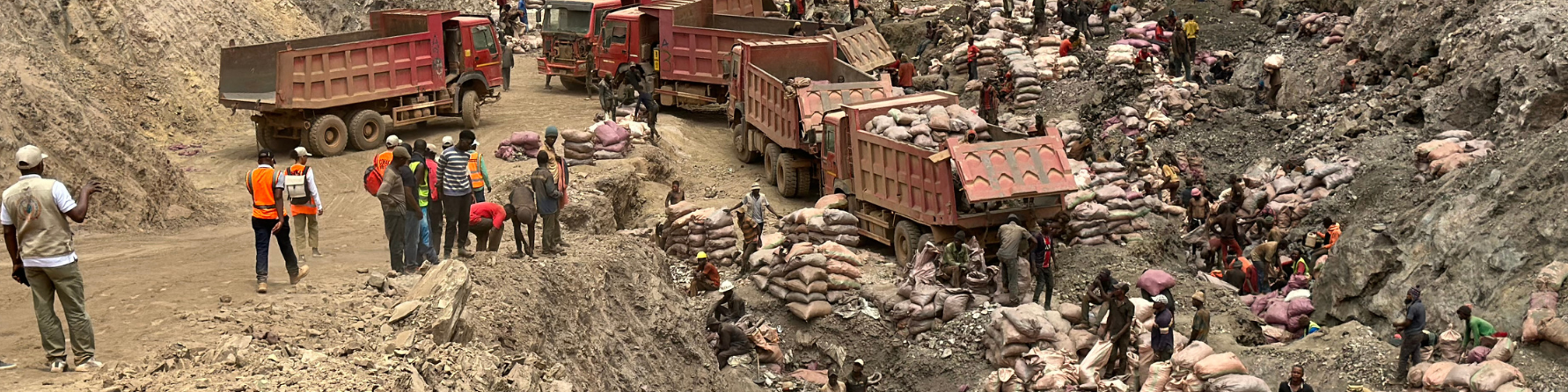
In factories, workers pressured by tight delivery times and high production quotas suffer injuries to their fingers or hands, amputation, and burns as they feel under pressure to overlook safety guidelines in order to meet deadlines. In mining, workers are at risk from the physical collapse of mines (cave-ins), landslides, rock falls and slip-drops. In smelters, furnace explosions are common and countries often have specific laws and inspections to cover these accidents.
Dust
Workers in factories manufacturing batteries for electronics and electric vehicles can be exposed to toxic or dangerous dust. In mines, inhalation of fine particles like silica dust causes occupational lung diseases such as asthma, chronic obstructive pulmonary disease (COPD) and pneumoconiosis. Silica is the most common dust present in ore, but it can also be the element extracted – nickel, copper, etc. Each can cause a specific respiratory disorder.
Young women
The electronics manufacturing industry has always employed a very high ratio of young women. Excessive work hours, toxins, radiation, ergonomic hazards, or chemical hazards have a bigger impact on the reproductive health of this group as they are at an age where they may be pregnant or wish to become pregnant. Menstrual abnormalities, fertility issues, problems during and after childbirth or foetal abnormalities are reported regularly.
In this interview, miner Andrea Condo talks about working conditions in a cooperative tin mine in Bolivia, and their impact on workers' health.
Further reading
Browse the library to learn more about occupational health and safety