
Worker-driven remediation
What is remediation?
Remediation is the process of restoring a person or group who experienced harm to the state they were in before the harm occurred. We also use the term "remedy": this refers to both the process of counteracting harm to workers, sometimes described as making them whole, and the outcomes of that process.
Because of power imbalances between companies and workers, support from others, including public buyers, is often needed to ensure workers are meaningfully engaged. We ensure that this happens, and that workers' needs and perspectives are prioritised. This is particularly important for vulnerable workers who lack labour law protection.
Our pursuit of remedy has three goals:
- to stop abuses that are already happening
- to prevent them from happening again
- to provide reparations to people who experienced harms
Reparations should include both backward-looking restorative measures (like apologies, rehabilitation, financial compensation) and forward-looking or preventative measures (like policy changes, training).
The right to effective remedy is a fundamental human right enshrined in the Universal Declaration of Human Rights and the International Covenant on Civil and Political Rights. Remedy is also an important part of the human rights due diligence process.
How do we pursue remedy?
Structured industry engagement
We engage industry associations, such as the Responsible Business Alliance (RBA), on behalf of our affiliates. The RBA convenes many brands, manufacturers and resellers in electronics and LEV supply chains. It aims to improve industry compliance with relevant labour regulations, internationally recognised codes and workers' rights standards. The Terms of Engagement establish the responsibilities, process, and timeline for action following the submission of an Electronics Watch investigative report. They apply to specific cases affecting both parties' members.
We also pursue remedy for workers through direct engagement with companies.
Supporting unions
We provide training and guidance to trade unions to help them support access to remedy in general and in specific cases. We meaningfully engage stakeholders in the remediation of individual cases, or support supply chain actors to do so.
Facilitating collective action among affiliates
We help affiliates to act together, for example through joint dialogue with common suppliers, and standardisation of remedy requirements. We produce quarterly reports which keep affiliates updated about the remediation process and provide guidance on how they should engage their contractors.
Enabling individual action by affiliates
We help individual affiliates to hold dialogue with their suppliers and to enforce compliance with their contract requirements.
Read our Principles of Worker-Driven Remedy to learn more.
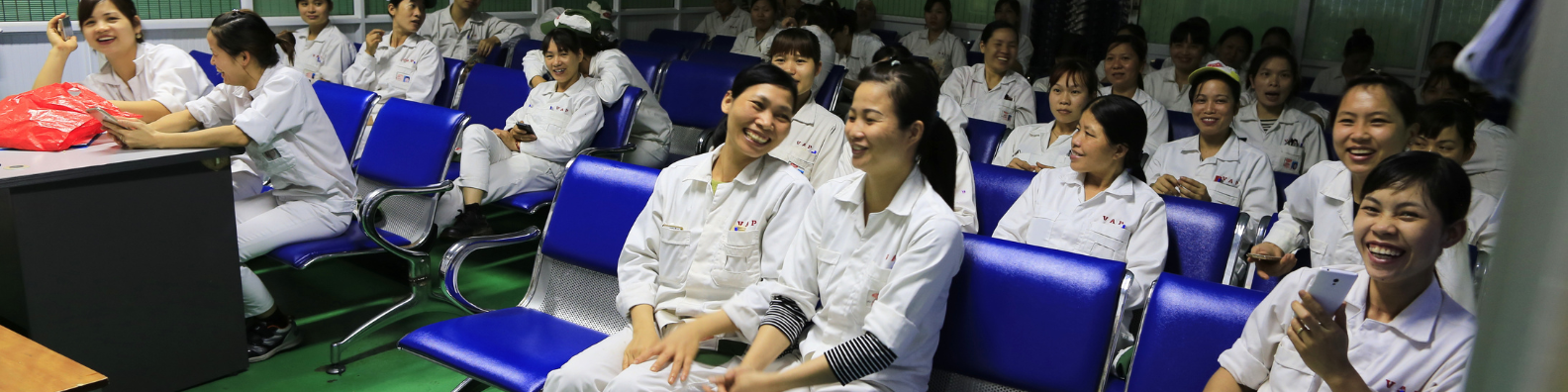
Workers in the electronics supply chain, in both the manufacturing and supply sectors, explain why they seek remedy.