
Forced labour
Forced labour, or a high risk of it, exists in almost all production countries and most tiers of the electronics supply chain. In its latest report, the Global Slavery Index (2023) identified electronics as the top at-risk goods category for forced labour imported by G20 countries. In electronics production, cases of forced labour have been documented in both component manufacturing and final assembly facilities, and in the mining sector in artisanal small-scale mining (ASM) as well as in formal, large-scale mining (LSM) operations.
Electronics Watch identifies six forms of forced labour:
Forced labour extracted under the threat of penalty
- Forced student labour: students must complete an internship to receive their diploma. Internships are often unrelated to students' area of study.
- Restrictions on the right to resign: workers are told that if they resign, their wages will be withheld. This means some remain in their jobs against their will.
- Forced overtime: overtime hours that exceed legal limits and are imposed by telling workers that they will be given a poor performance review for refusing to work overtime.
Forms of forced labour extracted through entrapment
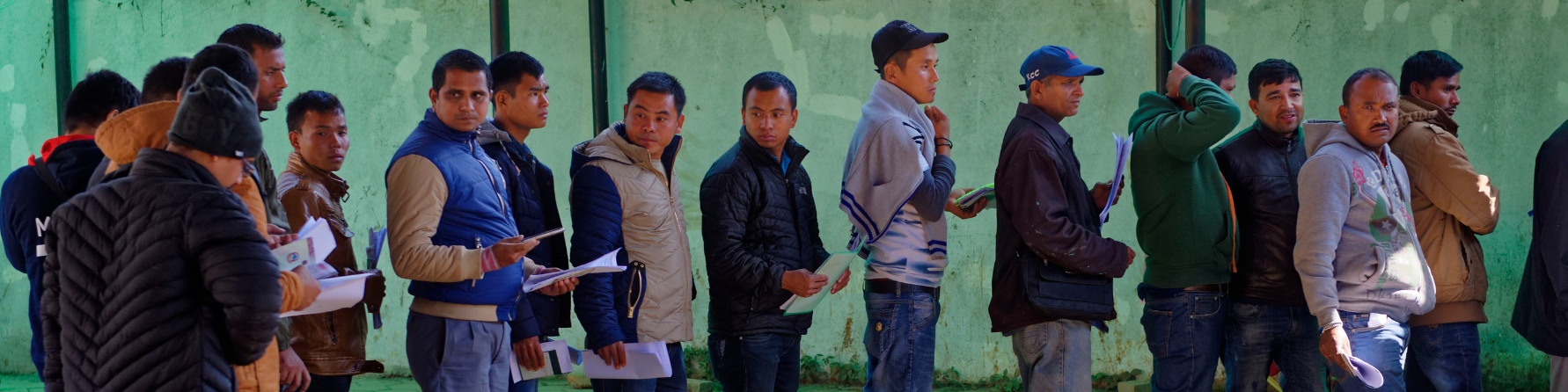
- Debt bondage: migrants cannot leave their jobs until they have paid off loans they took out to cover recruitment fees.
- Deceit or withholding of essential information: workers receive lower pay and fewer days off than was promised by the recruitment agent, or are not informed that they are handling toxic chemicals. If they had known, they could have chosen not to accept the job.
- Restriction of movement: the employer has confiscated migrant workers' identity documents to prevent them from resigning their position and returning home. In some instances workers cannot leave their dormitories without permission.