
OHS training helps keep workers safe in Thailand
Delivered as part of the ElectroPower project, the training focused on managing workplace hazards like chemicals as well as building relationships of trust with workers.
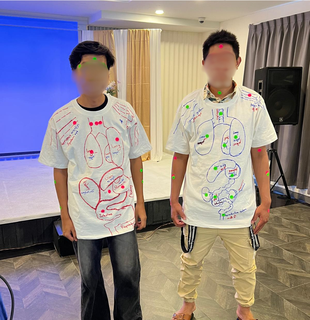
Workers from several different electronics factories in Thailand joined a training session delivered by Electronics Watch and monitoring partner the Labour Rights Foundation (LRF) as part of the ElectroPower project. Held in Bangkok at the end of March, the training focused on occupational health and safety (OHS) and focused on identifying and addressing common hazards encountered in electronics production.
ElectroPower is an EU-funded project that aims to enhance worker-driven approaches to prevent and remedy forced labour in electronics supply chains in Asia. It provides support for trade union organising activities, and works to strengthen collaboration between trade unions and civil society organisations. Using public procurement as a lever, ElectroPower is working towards fair and safe working conditions in the electronics industry in Indonesia, Malaysia and Thailand.
The Bangkok training included workplace hazard mapping to help workers identify the main risks in the factories where they work. One of those risks is exposure to toxic chemicals, and the session shared information about chemicals commonly used in electronics production, how workers are exposed to them, and their effects on the human body. The trainers used tools including body mapping and the 'toxic t shirt' exercise to convey information in an accessible way.
Workers also learned about hazards such as electric shocks, ergonomics and stress, and how to develop action plans to address specific risks in their workplaces. LRF will follow up and support the workers on how to do this and will soon begin monitoring at one of the factories as part of ElectroPower. The training helped workers learn the importance of prevention and addressing hazards so that they can protect themselves effectively.
When workers are not informed about hazardous working conditions this can be tantamount to being trapped into employment: had they known, they could have chosen to not take the job. When they are not informed they do not have that choice. As well as giving workers the knowledge they need to protect their health, the OHS training also provides an opportunity to build trust with workers. This means they are more likely to feel safe disclosing other potential forced labour risks to the LRF team during planned monitoring.
Omana George, Electronics Watch's Monitoring and Civil Society Engagement Manager, was in Thailand for the training. She also delivered a session for LRF staff that focused on worker-driven monitoring methodology, gathering quality evidence and reporting.
Next steps in the ElectroPower project include training for migrant workers in Malaysia, and workshops that will bring together civil society organisations with trade unions to strengthen grievance and remedy capacities against forced labour.

This article has been produced with the financial assistance of the European Union. The contents of this page are the sole responsibility of Electronics Watch and can under no circumstances be regarded as reflecting the position of the European Union.